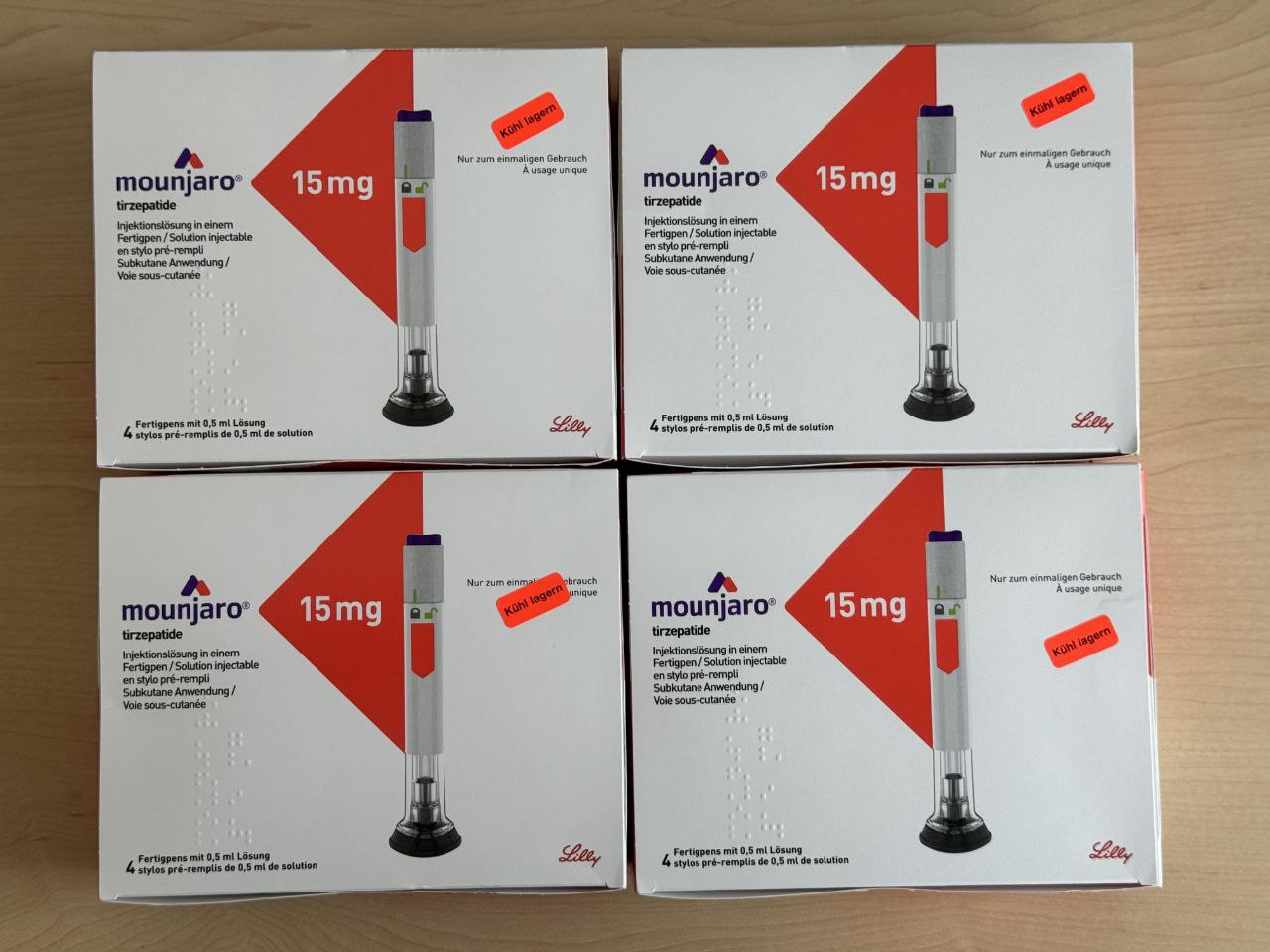
Tirzepatide at higher concentrations, such as 40mg vials, has gained attention in the weight loss and diabetes management community, particularly through compounded formulations. While the FDA-approved brands Mounjaro (for type 2 diabetes) and Zepbound (for chronic weight management) cap at a maximum weekly dose of 15mg, compounded versions often come in larger vials (e.g., 40mg total per vial) for flexible, physician-directed dosing. These allow patients to draw higher amounts if tolerated, though exceeding 15mg weekly remains off-label and experimental.
In this article, we’ll explore what a 40mg tirzepatide formulation typically means in practice, its potential benefits, risks, real-world context, and essential safety considerations. Always remember: any use beyond approved doses requires close medical supervision.

Understanding Tirzepatide and Compounded 40mg Formulations
Tirzepatide is a dual GLP-1 and GIP receptor agonist that mimics gut hormones to regulate blood sugar, suppress appetite, slow gastric emptying, and promote fat loss. Approved doses escalate from 2.5mg weekly up to 15mg, delivering impressive results: up to 20-22% average body weight reduction over 72 weeks in trials like SURMOUNT-1.
Compounded tirzepatide, often in 40mg vials (e.g., at concentrations like 10mg/mL), provides a multi-week supply. Patients might draw 2-4mg initially and titrate up, potentially reaching or exceeding 15mg weekly under provider guidance. Some formulations include additives like B6 or niacinamide to help mitigate nausea.
These are not FDA-approved at higher strengths or doses—compounding fills gaps during shortages but carries variability risks.
PDB-101: Diabetes Mellitus: Diabetes Mellitus: undefined: Tirzepatide
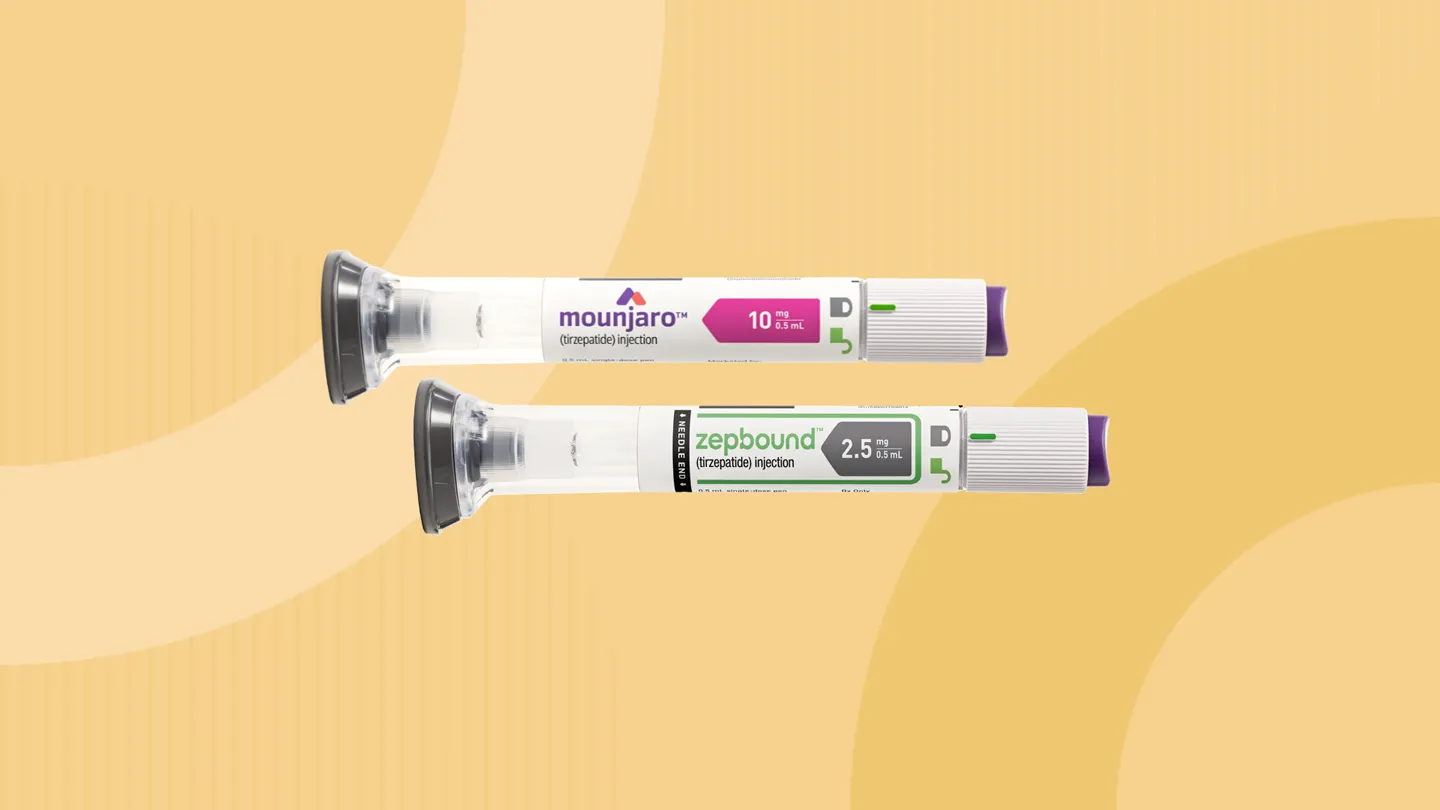
Potential Benefits at Higher Doses
Higher weekly doses aim to amplify effects for those plateauing at 15mg or with severe obesity. Key advantages include:
- Enhanced Weight Loss: Trials show dose-dependent results—15mg yields ~21-22% loss. Off-label higher dosing in real-world reports sometimes pushes toward greater reductions, though data is limited and anecdotal.
- Better Glycemic Control: Stronger A1C reductions (up to 2.3%+ at max approved doses).
- Metabolic Improvements: Reduced cardiovascular risks, better sleep apnea symptoms, and sustained fat metabolism.
Real patient transformations highlight the impact of consistent use combined with lifestyle changes.
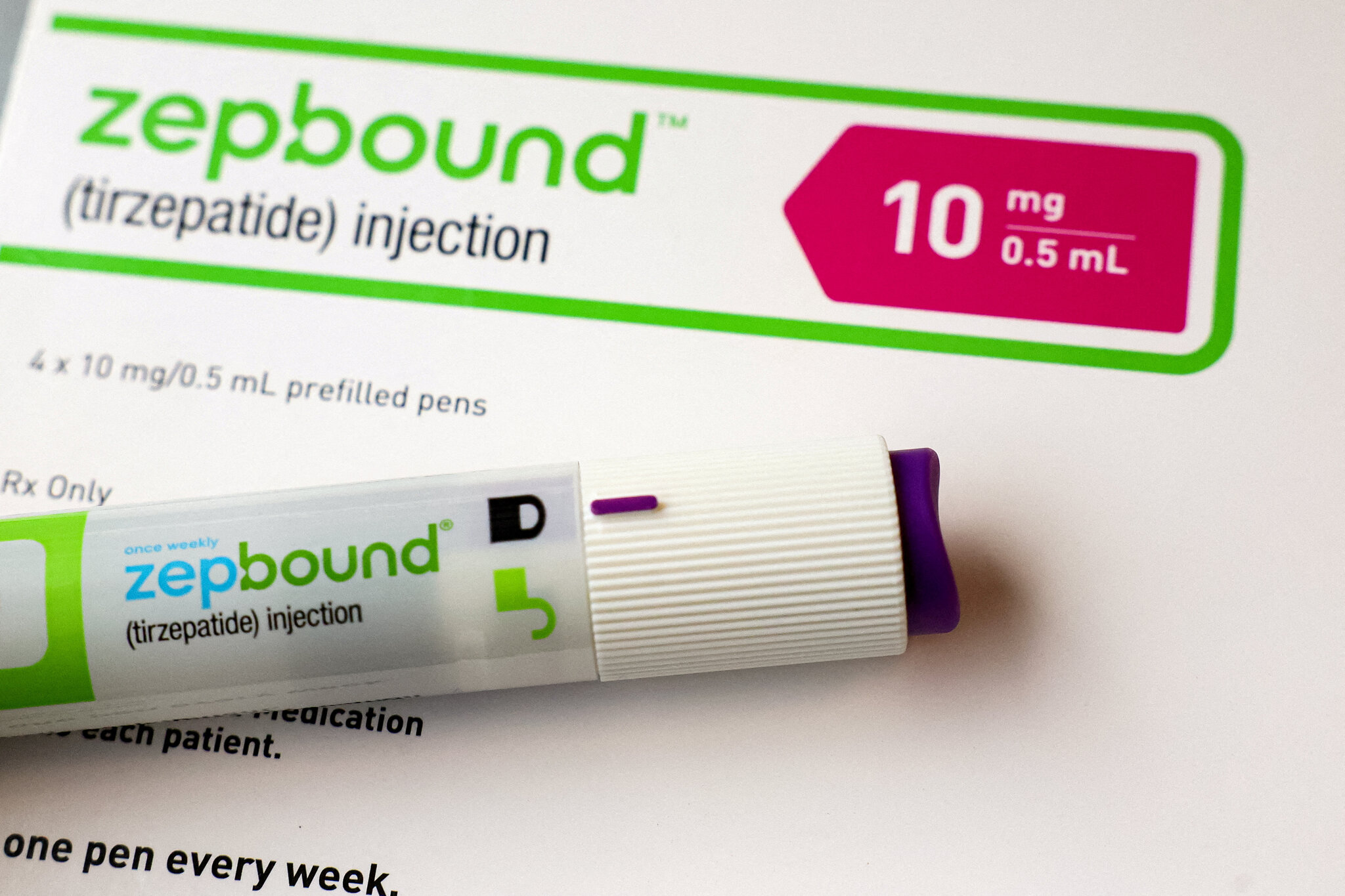
Side Effects and Risks at Elevated Doses
Higher doses intensify common issues, especially gastrointestinal ones. Side effects often peak during titration and may persist or worsen beyond approved levels.
| Side Effect | Frequency at Higher Doses | Management Tips |
|---|---|---|
| Nausea/Vomiting | Very Common | Titrate slowly, eat small meals, add anti-nausea aids if prescribed. |
| Diarrhea/Constipation | Common | Hydrate, adjust fiber, use OTC remedies. |
| Abdominal Pain | Common | Avoid high-fat foods; monitor for pancreatitis signs. |
| Fatigue/Headache | Moderate | Stay hydrated; report persistent issues. |
| Injection Site Reactions | Less Common | Rotate sites (abdomen, thigh, arm). |
Serious risks (rare but increased at higher exposures) include pancreatitis, gallbladder problems, and thyroid tumor concerns (from animal studies). No large-scale human data supports routine use above 15mg, so risks may compound.
Dosage Considerations for 40mg Vials
Standard approved titration:
- Weeks 1-4: 2.5mg weekly
- Then increase by 2.5mg every 4 weeks → up to 15mg maintenance
With a 40mg vial (often 4mL at 10mg/mL), a provider might instruct drawing larger volumes for doses above 15mg—e.g., 20mg+ weekly—but this is not FDA-recommended and should only occur with informed consent and monitoring.
Store refrigerated; use sterile technique. Missed doses: Take within 4 days or skip.
Tips for Safe and Effective Use
- Medical Oversight: Never self-adjust doses—higher amounts demand frequent labs and check-ins.
- Lifestyle Integration: Pair with calorie-controlled diet and exercise for best sustainability.
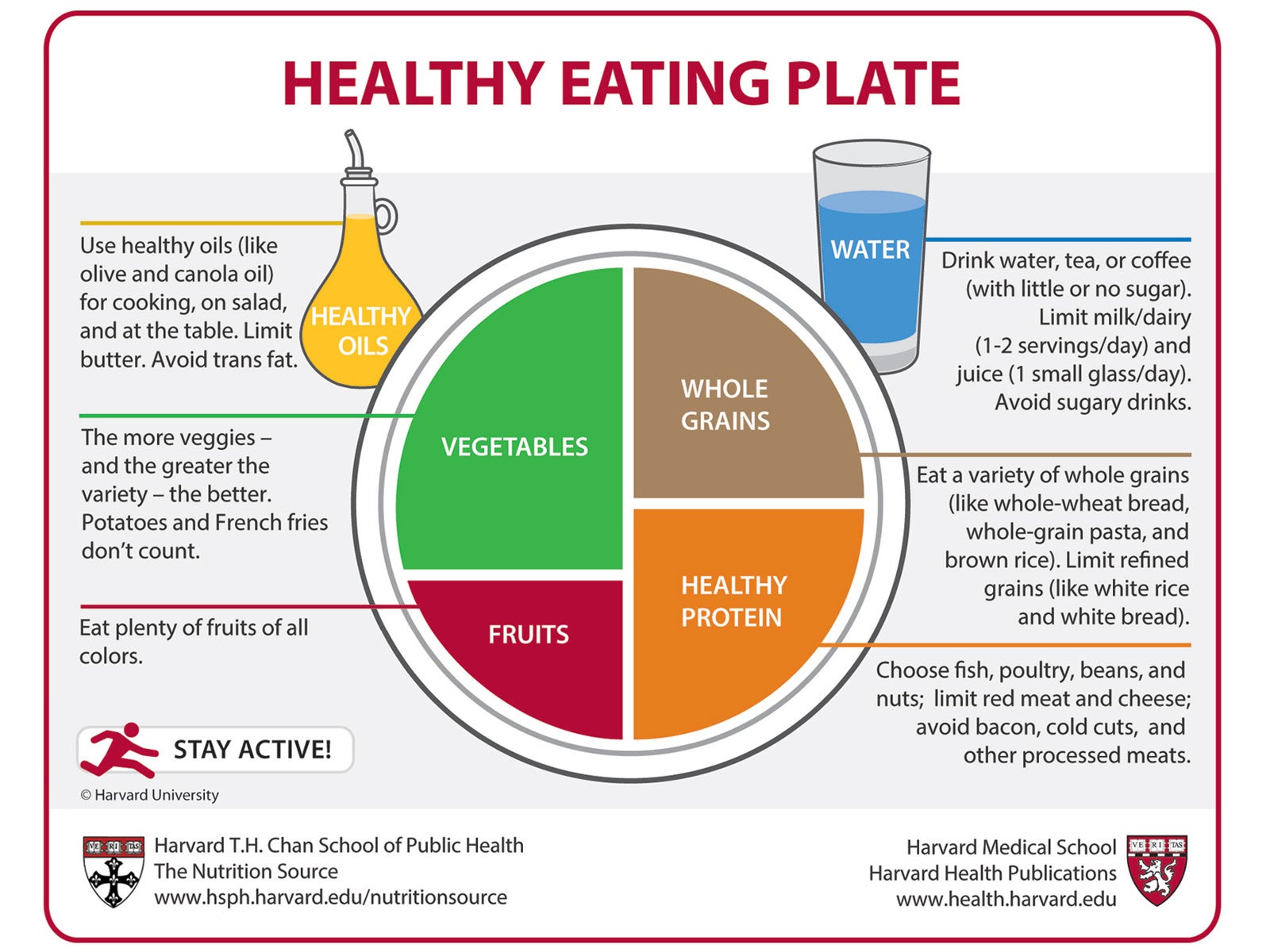
- Nutrition Focus: Emphasize protein, veggies, and hydration to counter side effects.
Here’s a visual of a balanced plate to support tirzepatide therapy:
A 40mg tirzepatide vial offers flexibility in compounded settings, potentially enabling customized higher dosing for stubborn weight loss or metabolic needs. However, the evidence base remains strongest up to 15mg weekly—beyond that lies uncharted territory with amplified benefits and risks.
If exploring higher doses intrigues you, discuss thoroughly with a knowledgeable healthcare provider. Tirzepatide is powerful, but safety and sustainability come first. Stay informed, prioritize health, and track progress responsibly!