The Surprising Truth You Need to Know!
Hey there, curious reader! Ever popped a clonazepam (Klonopin) for anxiety, panic attacks, or seizures… and noticed your blood pressure seemed calmer? Or maybe you’ve heard whispers online that benzos like this one can drop your BP—and you’re wondering: Is that real? Dangerous? Or just a myth?
Buckle up—this interactive blog post dives deep into the science, real-user stories, and what it all means for YOU. We’ll explore the evidence, share visuals, and even toss in some quick “quiz-style” questions to keep it engaging. Let’s uncover if clonazepam truly lowers blood pressure (spoiler: it often does, but with caveats).
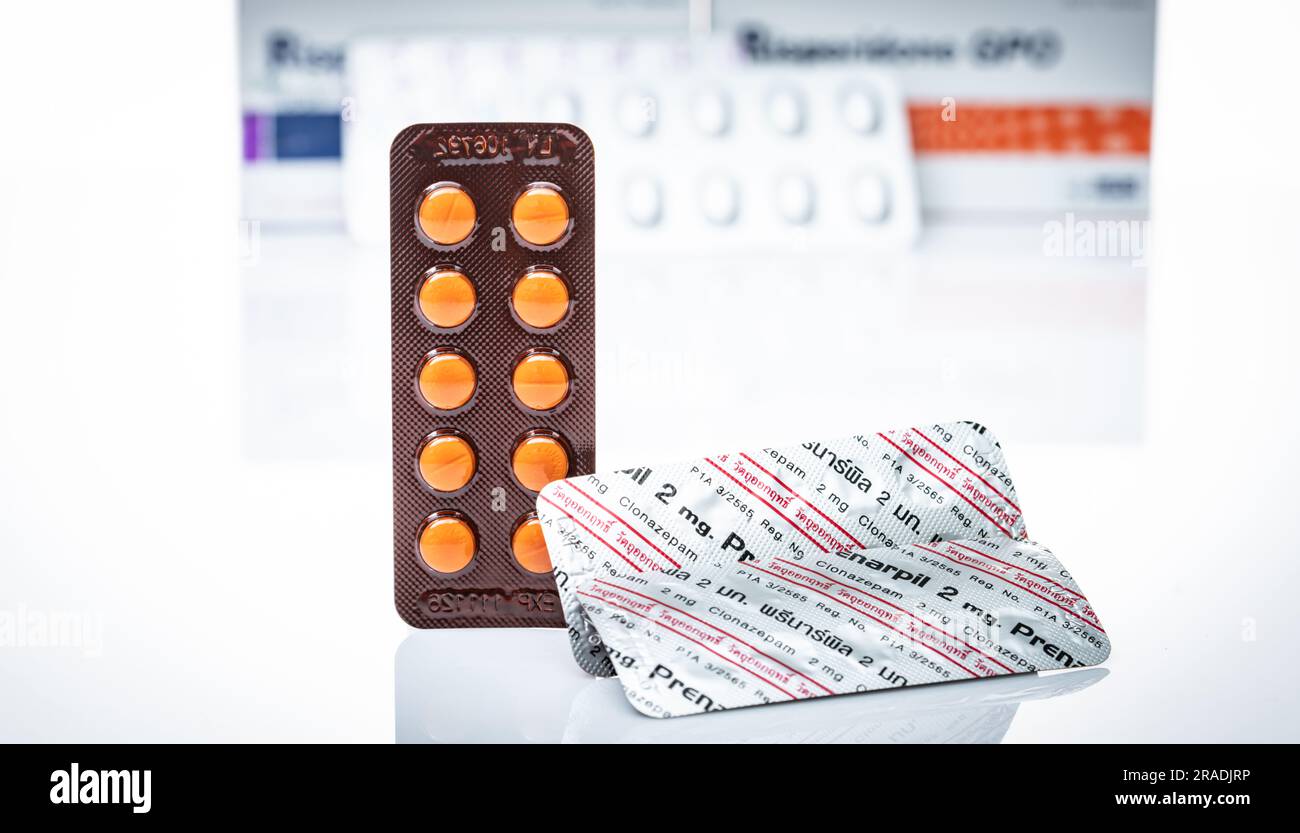
Here’s a classic clonazepam tablet—small, potent, and often white or orange. But what happens when it hits your system?
The Quick Answer: Yes, Clonazepam Can Lower Blood Pressure (Usually!)
Clonazepam is a benzodiazepine that boosts GABA—your brain’s main “chill pill” neurotransmitter. This calms the central nervous system, slows heart rate, relaxes blood vessels (vasodilation), and reduces stress hormones. Result? Often a temporary drop in blood pressure, especially systolic (the top number).
- Studies show benzos like clonazepam can reduce systolic and diastolic BP in the short term, sometimes comparable to actual blood pressure meds!
- In people with anxiety-driven hypertension (where stress spikes BP), clonazepam’s calming effect can indirectly lower readings by easing tension.
- For “labile hypertension” (big BP swings in older folks), clonazepam has stabilized pressures in many cases, cutting fluctuations dramatically.
But it’s not a blood pressure drug—it’s a side effect, not the goal. And it’s dose-dependent: low doses might mildly lower BP; higher or chronic use can amplify it.
See how benzos amp up GABA at the receptor? That relaxation cascades to your vessels and heart—hello, potential BP dip!
Real-World Effects: What Happens in Practice?
From medical sources and user reports:
- Short-term use: Many notice a mild drop (e.g., 10–20 points systolic in some anecdotal cases) due to reduced anxiety and slower heart rate.
- Orthostatic hypotension risk: Standing up quickly? You might feel dizzy—clonazepam can exaggerate that immediate BP drop, especially in older adults.
- Paradoxical reactions: Rare, but some folks get agitation instead, which could temporarily raise BP.
- Withdrawal rebound: Stopping suddenly? BP can spike as anxiety returns—sometimes higher than before!
Quick interactive check-in: Quiz Time! If your BP is already low (e.g., 90/60), should you be extra cautious with clonazepam? A) Yes—risk of too-low BP and dizziness! B) No—it’s fine! Answer: A! Always monitor if you’re prone to low readings.
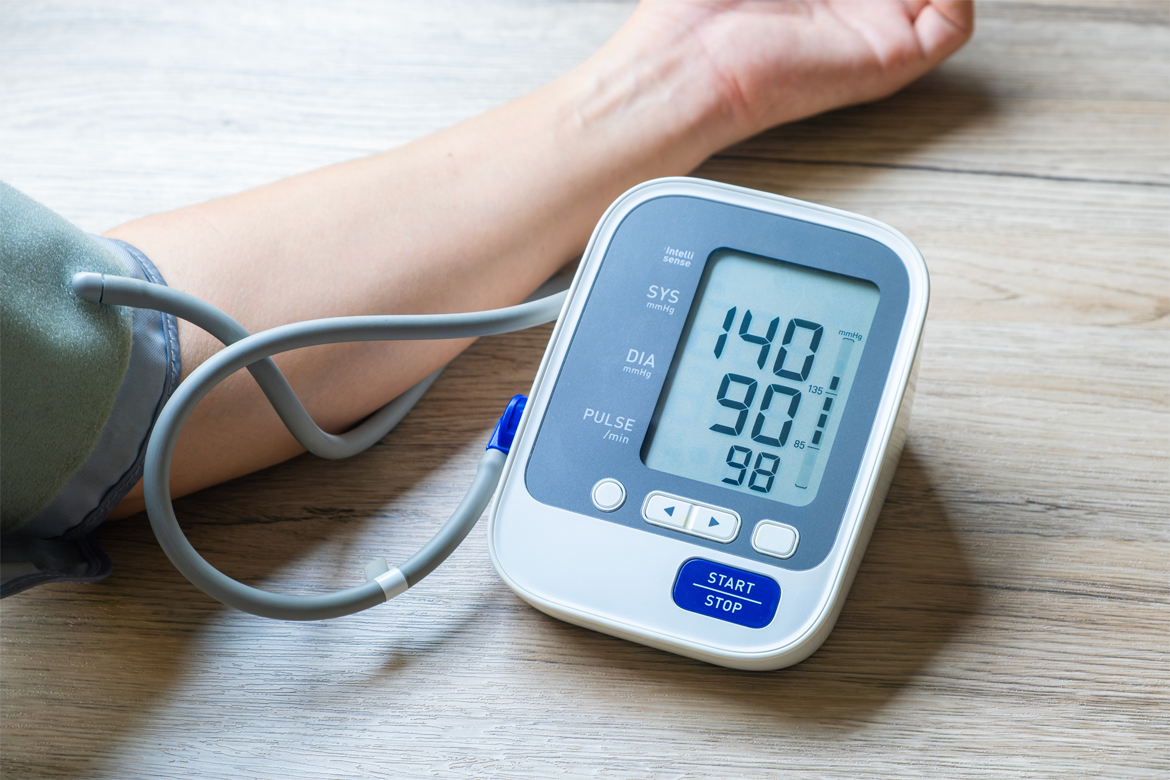
Blood pressure chart—normal is under 120/80. Clonazepam might nudge yours downward, but watch for dips into hypotension territory!
When It’s Helpful vs. Risky
Helpful scenarios:
- Anxiety or panic causing BP spikes? Clonazepam can smooth things out short-term.
- Certain studies show long-term benzo use linked to slightly lower BP in older patients (but guidelines warn against long-term use due to dependency risks!).
Risky red flags:
- Already low BP? Could cause lightheadedness, falls, or fainting.
- Combining with alcohol, opioids, or other sedatives? Dangerous—severe drops possible.
- Driving or operating machinery? Extra caution—drowsiness + low BP = bad combo.

Home BP monitoring is key—track before/after doses to see your personal response!
Bottom Line & Your Next Steps
Yes—clonazepam can lower blood pressure through relaxation, vasodilation, and anxiety reduction. It’s a common side effect (listed in sources like Healthline and PubMed studies), but not why it’s prescribed. For most, it’s mild and temporary… but for some (especially with low baseline BP or polypharmacy), it can tip into problematic territory.
Interactive wrap-up question for you: Have you noticed BP changes on clonazepam? Drop a comment (anonymously!)—did it drop, spike, or stay the same?
Always chat with your doctor—they can monitor your readings and decide if it’s right for you. Never adjust doses on your own!
Stay informed, stay safe, and keep those numbers in check